College of Coastal Georgia Simulation Center


Welcome to the College of Coastal Georgia Simulation Center! Simulation is an active learning strategy that recreates realistic clinical situations in a safe, controlled environment. These experiences allow learners to apply knowledge, practice skills, and develop clinical judgement without risk to real patients. At the College of Coastal Georgia, simulation is fully-integrated into the nursing and radiologic science curriculum, providing hands-on learning opportunities across each semester to reinforce classroom content and prepare students for clinical practice.
Our simulation programs immerse nursing and radiologic science students in realistic, scenario-based learning that builds clinical skill, critical thinking, and professional confidence. Nursing simulations span common to high-acuity conditions and sensitive topics, fostering both competence and compassion, while radiography simulations, conducted with portable equipment and in the X-Ray suite, provide hands-on experiences in pediatric, trauma, and ICU settings. Interprofessional simulations bring both disciplines together in complex scenarios, emphasizing communication, teamwork, and collaborative patient care.
Our Mission
The College of Coastal Georgia Simulation Center promotes excellence in nursing and radiologic sciences through high-quality, evidence-based, progressive simulations that allows for the application of didactic material in an active and supportive learning environment. The CCGA Simulation Center provides diverse, student-centered learning opportunities that prepare students in their current and future practice to deliver safe, competent, and compassionate care to patients across the healthcare continuum locally and globally.
Our Vision
The College of Coastal Georgia Simulation Center will improve patient outcomes locally and abroad through excellence in healthcare simulation. The Simulation Center will serve as a source of knowledge and innovative experiences that will benefit local, national, and global partners.
Our program features a diverse range of low-, mid-, and high-fidelity manikins, task-trainers, realistic clinical equipment, and innovative technology to support skill development and strengthen clinical judgment. Our current facility offers state-of-the-art equipment, dedicated simulation space with pre-briefing and debriefing areas, and 15 skills beds for hands-on learning – and we are only growing! Plans are underway for a new Simulation Center that will expand our capacity to 40 skills beds and include specialized simulation spaces such as pediatric suite, OB suite with a dedicated newborn area, medical-surgical and OR rooms, dedicated pre-briefing and debriefing rooms, and a five-bed ICU. A list of equipment can be found here.
SimMan 3G
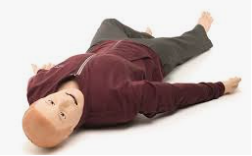
SimMan 3G is a high-fidelity adult patient simulator designed to support immersive, realistic clinical training. It features advanced capabilities including spontaneous breathing, airway management, ECG and defibrillation, pharmacologic response, and wireless mobility for in situ simulation.
Current number: 2
Victoria Birthing Simulator
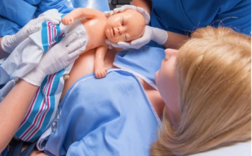
Victoria Birthing Simulator is a full-body obstetric simulator that delivers highly realistic labor scenarios, including normal, breech, shoulder dystocia, and postpartum hemorrhage. She features automatic and manual delivery modes, fetal heart tones, cervical dilation, and programmable contractions.
Current number: 1
Nursing Anne Simulator
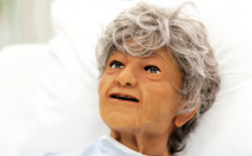
Nursing Anne Simulator is a mid-fidelity manikin designed to provide realistic, interactive training for nursing students across the continuum of care. This manikin supports real-time vital signs, auscultation, airway management, medication administration, and scenario-based communication.
Current number: 4
Pediatric Hal
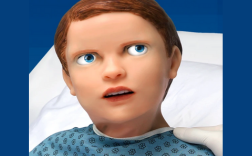
Pediatric Hal is a high-fidelity, child-sized simulator designed to represent a 5-year-old patient. It supports realistic pediatric assessment and intervention.
Current number: 1
Super Tory
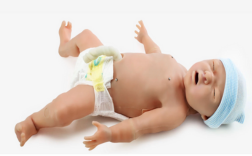
Super Tory is a wireless, full-term neonatal simulator designed for realistic newborn resuscitation and postnatal care training.
Current number: 1
LifeCast
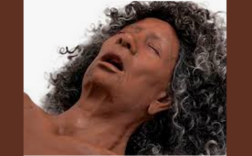
LifeCast manikins are ultra-realistic, life-cast models designed to enhance realism in simulation-based education. These manikins help immerse learners in lifelike clinical encounters without the need for complex technology.
Current number: 5
Nurse Anne Task Trainers
Nurse Anne Task Trainer is a female manikin designed to support comprehensive nursing education across a variety of clinical skills. It allows learners to practice procedures such as IV insertion, wound care, tracheostomy care, catheterization, and NG tube placement using realistic anatomical features.
Variety of Task Trainers
Task trainers support skills such as IV insertion, blood draws, catheter insertion, tube feedings, medication administration, wound care, chest tube care, and central line management.
Additional Equipment
Alaris IV pumps, SimVent, Kangaroo feeding pumps, simulated glucometers.
VR
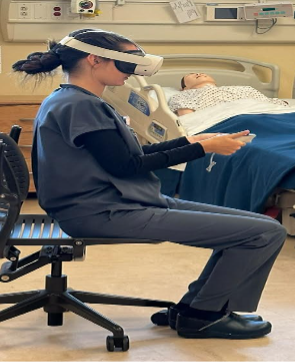
Metaquest 3s headsets
Additional Info
(Add your additional details or images here.)
2025
- Dr. Niki Fullard presented her doctoral work, Improving Communication with Senior Nursing Students through a Fetal Demise Simulation, at the 2025 National League for Nursing (NLN) Education Summit.
- Dr. Nevada LeCounte and Ashleigh Spurlock presented their work in integrating simulation and interprofessional collaboration into the nursing and radiography curriculum at the 2025 NLN Education Summit, the ASRT Educational Symposium, and the Can-Sim 25 Conference.
- Jeff Garrett, Laboratory Assistant, completed the SimMan 3G Advanced Care and Maintenance course.
- Dr. Nevada LeCounte was selected for the 2025-2026 NLN Leadership Development Program for Simulation Educators, a prestigious year-long program that supports innovation and leadership in simulation-based education.
- Dr. Tara Mosher moderated a session on workplace violence in healthcare at the Georgia Nurses Association Conference, sharing her work on preparing students to address this issue using virtual simulation.
- Dr. Nevada LeCounte and Jeff Garrett published a submission, Creating a Postpartum Hemorrhage, on the NLN Simulation Innovation’s Homegrown Solutions.
- Dr. Ashley Barnes completed her Doctor of Nursing Practice degree from Georgia College & State University. Her DNP project, titled, Using the News Tool to Improve Confidence in Nursing Students, measured student confidence during an asthma simulation.
CCGA Simulation Center Welcomes SGHS Internal Medicine Residents
We are excited to welcome the internal medicine residents from Southeast Georgia Health System to the Simulation Center at the College of Coastal Georgia. Through this new partnership, the residents will participate in skills training and immersive simulation experiences within out state-of-the-art facilities. We look forward to expanding opportunities for interprofessional collaboration with our nursing and radiologic science students as part of our commitment to innovative, team-based healthcare education.
Bodyswaps VR Integration
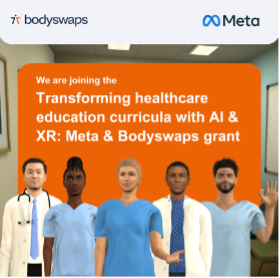
In Summer 2025, the Simulation Center was awarded a grant in partnership with Bodyswaps and Meta to enhance communication skills training for nursing and radiologic science students. This cutting-edge virtual reality platform allows students to practice and refine their interpersonal skills in realistic, emotionally nuanced scenarios. Radiologic science students piloted the technology over the summer, and the integration will expand across programs in the coming academic year.
Radiology Suite Updates
Also in Summer 2025, the College of Coastal Georgia Radiologic Science Program installed a brand-new Carestream Compass DRX X-ray room, giving students access to the latest digital imaging technology used in modern healthcare facilities.
Hours of Operation
The CCGA Simulation Center operates in accordance with the College’s academic calendar. Standard hours of operation are Monday through Friday, 8 a.m. to 5:30 p.m. Requests for use outside these hours will be considered on a case-by-case basis.
Confidentiality and Audiovisual
All faculty, staff, students, learners, observers, and other guests must maintain the confidentiality of simulation participants (including learners and those participating in simulated roles). Simulation scenarios should not be shared. Recording and photographing simulations is prohibited unless permission is obtained from appropriate simulation personnel. All persons entering the Simulation Center should follow the confidentiality and AV policies outlined in their respective handbooks and/or agreement forms.
Access the Center
Internal and external users wishing to access lab/sim space or equipment for purposes of training, or those wishing to tour the space, should submit a request at least two weeks in advance using the Simulation Center Comprehensive Use Request Form. Internal users can access this form in the portal. External users can access this form here.
Faculty/Staff
Faculty and staff can find Simulation Center guidelines within the SONHS Faculty Handbook and CCGA Simulation Center Manual.
Students
Policies pertinent for students are available in the SONHS Student Handbook.
Pertinent Policies and Forms for External Users and Vendors
This policy outlines procedures for individuals requesting to observe simulation activities or tour the simulation and lab spaces. While the Simulation Center values opportunities to showcase simulation experiences to faculty, prospective students, and community members, maintaining psychological safety and confidentiality for student participants is paramount. Therefore, direct observation of simulations is restricted and subject to approval.
Policy
- Tours of the simulation or lab spaces must be requested at least two weeks in advance using the Simulation Center Comprehensive Use Request Form.
- Observation of simulation experiences is limited to approved individuals and must be coordinated through the simulation specialist.
- School of Nursing and Health Sciences (SONHS) faculty and staff may observe simulations only with permission from the simulation faculty facilitating the session.
- College leadership, faculty from other departments, and community guests may be invited by the simulation specialist, simulation faculty, or SONHS leadership, and must be approved by the simulation specialist before attendance.
- All observers not employed by the College must sign the College of Coastal Georgia Simulation Center Observer Agreement (valid for one academic year) and are expected to maintain strict confidentiality regarding all simulation content and student performance. Employees of the College are expected to follow policies related to student confidentiality.
Observers may not:
- Record or photograph any part of the simulation or lab
- Interact with participants during the simulation or lab
- Attend simulation debriefings
- Discuss student performance
Simulation is a learning modality and does not imply clinical competency. Observation of a simulation should not be interpreted as an assessment of student skill.
Procedure for Observation and Tour Requests (External Visitors)
- Individuals not employed within SONHS must complete the Simulation Center Comprehensive Use Request Form at least two weeks in advance.
- Alternatively, tours may be arranged through the CCGA Office of Admissions, who will coordinate with the simulation specialist.
- Student tours should ideally be scheduled when active simulations are not in session.
- The simulation specialist will review all requests and may consult with simulation faculty based on the date, scenario type, and number of observers.
- Approved or denied requests will be communicated via email. Alternate dates may be offered.
- If nursing or radiologic science students are present during the visit, the College of Coastal Georgia Simulation Center Observer Agreement must be submitted before the experience begins. Failure to complete this form will result in cancellation of the observation or tour.
Procedure for Observation Invitations
- Faculty or staff wishing to invite CCGA leadership, other faculty, or community partners to observe must complete the Simulation Center Comprehensive Use Request Form at least two weeks in advance, including:
- Purpose of the visit
- Number of guests
- Preferred and/or flexible date(s) and time(s)
- The simulation specialist will review the request and consult the simulation faculty as needed.
- Confirmation or alternative scheduling will be provided by the simulation specialist. or a designee.
- Guests must complete the College of Coastal Georgia Simulation Center Observer Agreement if student participants are present.
Cancellations
To cancel an observation or tour, contact the Simulation Center at Simulation@ccga.edu as early as possible.
Dr. Nevada LeCounte
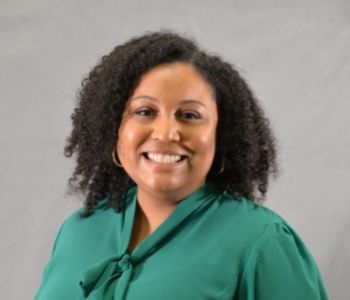
Simulation Specialist
Education
DNP, University of North Georgia
MS, Rural Family Nursing-Nurse Educator Concentration, University of Central Missouri
BSN, Georgia College & State University
Teaching and Research Interests / Recent Publications or Scholarly Output
Dr. LeCounte’s teaching and scholarly work focus on the use of healthcare simulation to strengthen clinical judgment, interprofessional communication, and patient safety across nursing and allied health education. Her research interests include early recognition of clinical deterioration, end-of-life communication, curriculum-integrated simulation design, and the use of emerging technologies such as virtual reality and artificial intelligence to enhance experiential learning.
Recent presentations, publications, and scholarly work:
LeCounte, N., & Spurlock, A. (2026). Simulating the Unexpected: A Multidisciplinary Travel Code Simulation Featuring Nursing and Radiography. International Meeting on Simulation in Healthcare, San Antonio, Tx.
Spurlock, A., & LeCounte, N. (2025). Advancing IPE: How to Integrate Radiography and Nursing Simulation for Stronger Clinical Collaboration. Webinar, healthysimulation.com
LeCounte, N., & Spurlock, A. (2025). Enhancing Collaboration through Nursing and Radiography Simulations. National League for Nursing Education Summit, Orlando, FL
Spurlock, A. & LeCounte, N. (2025). Implementing Independent and Interdisciplinary Simulations in Radiologic Science Curriculum. American Society of Radiologic Technologists Educational Symposium, Reno, NV
LeCounte, N., & Spurlock, A. (2025). Bridging Disciplines: Enhancing Interprofessional Collaboration through Nursing and Radiography Simulations. Can-Sim 2025 Conference, Vancouver, BC
LeCounte, N., & Spurlock, A. (2025). Pioneering Simulation in Radiography: Bridging the Gap between Disciplines to Improve Patient Safety. College of Coastal Georgia Coastal Scholars Symposium, Brunswick, GA
LeCounte, N., Littlejohn, K. (2025). Active Learning: Big Impact with Little Resources. Health Science Technology Educators Association Winter Conference, Savannah, GA
LeCounte, N., & Garrett, J. (2024). Creating a Postpartum Hemorrhage. NLN Simulation Innovation Resource Center Home Grown Solutions website
LeCounte, N. (2024). Case Scenario Simulations to Prepare Students for Medication Administration Georgia Association for Nursing Education Conference, Buford, GA
LeCounte, N. (2024). A MEWS-Based Educational Intervention to Improve Clinical Judgment and Recognition of Clinical Deterioration in BSN Students. Georgia Association for Nursing Education Conference, Buford, GA
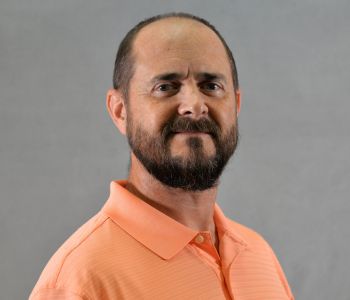
Dr. Ashley Barnes
Program Coordinator for ASN, RN-BSN
Education
DNP in Nursing, Georgia College & State University
MSN in Nursing Education, Georgia Southwestern State University
BSN, RN-BSN, Georgia Southern University
ASN, College of Coastal Georgia
Teaching and Research Interests / Recent Publications or Scholarly Output
Simulation, critical care or intensive care nursing, remediation and retention of nursing students, developing clinical judgment in nursing students
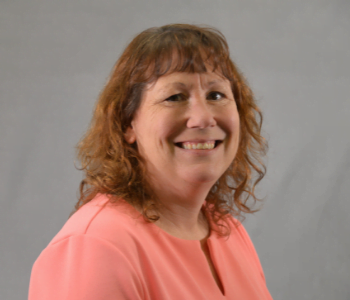
Dr. Nicole Masano
Education
DNP in Nursing, Georgia Baptist College of Nursing of Mercer University
Post-Master’s Certificate in Health Informatics, University of Illinois at Chicago
MSN in Maternal-Newborn Nursing, University of Illinois at Chicago
BSN in Nursing, University of Illinois at Chicago
Teaching and Research Interests / Recent Publications or Scholarly Output
My academic and professional focus centers on advancing community-based healthcare and maternal-newborn nursing through innovative, evidence-based practices. I am dedicated to improving health outcomes for mothers and infants by bridging the gap between clinical settings and community resources, ensuring equitable access to quality care. Furthermore, I am deeply committed to active engagement in teaching, employing student-centered pedagogical strategies that foster critical thinking and practical skill acquisition. By integrating my research into the classroom, I aim to inspire the next generation of nurses to become compassionate, skilled practitioners and advocates for public health.
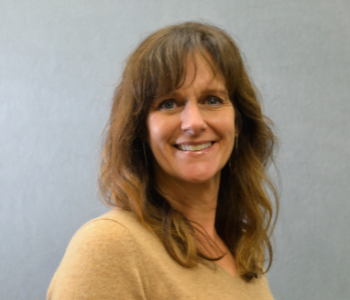
Dr. Tara Mosher
Education
DNP Doctor of Nursing Practice, Georgia College and State University
MSN in Nursing Education, Georgia College and Southwestern University
BS in Nursing, San Diego State University
AS in Nursing, Clayton State College & University
Teaching and Research Interests / Recent Publications or Scholarly Output
Violence against nurses prevention, critical care nursing, public health