Collaborative Radiology Simulations Strengthen Student Readiness
Like the old adage that it takes a village to raise a child, preparing future health care professionals often requires a collective effort. At the College of Coastal Georgia, radiologic science students recently experienced a realistic trauma simulation made possible through the collaboration of radiology and nursing faculty, program alumni, and community volunteers, all working together to create an immersive learning environment that strengthens students’ clinical skills and confidence.
Program Director and Lecturer of Radiologic Science Ashleigh Spurlock developed the simulation to help final-semester radiography students feel better prepared for the realities of trauma imaging before entering the workforce. Spurlock is also a radiographer at Memorial Health University Medical Center (MHUMC) in Savannah.
“I wanted students to experience the pace, communication, critical thinking, and safety considerations involved in working with a Level 1 trauma team,” Spurlock said.
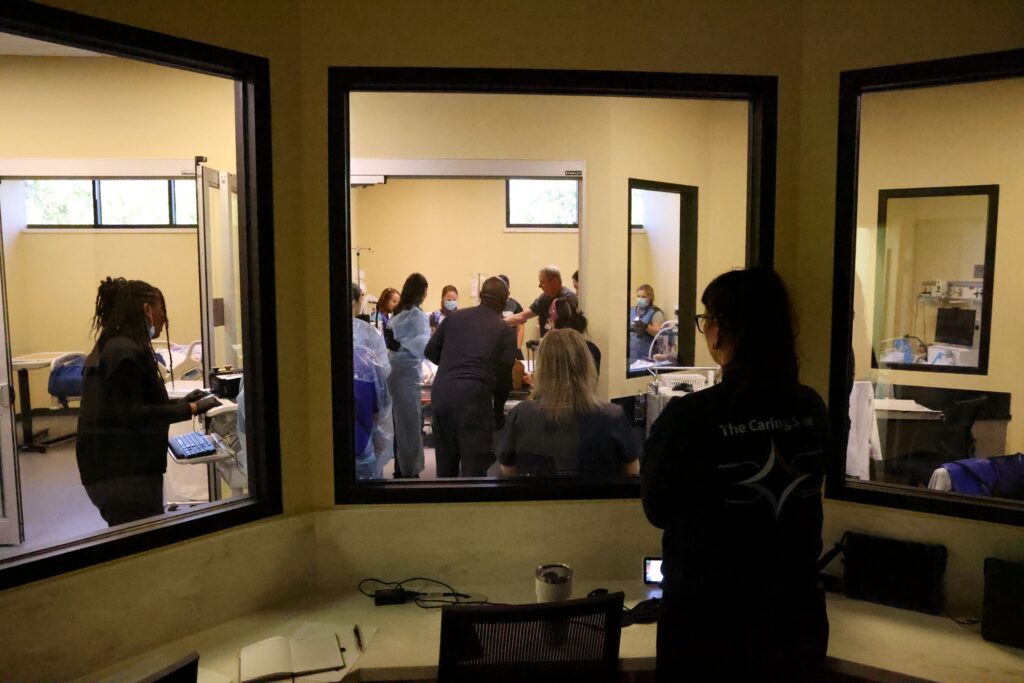
During the simulation, radiology students responded to a trauma page for a patient who was struck by a vehicle and suffering from gunshot wounds. Students were given the opportunity to navigate this experience from start to finish on their own, demonstrating their clinical readiness, critical thinking, communication skills, and exam accuracy. Students were evaluated on effective communication with the trauma team, navigating around other health care providers, protecting patient lines and equipment, maintaining radiation and physical safety, advocating for the images needed for diagnosis, and making sound decisions in a fast-paced, high-stress environment, Spurlock said.
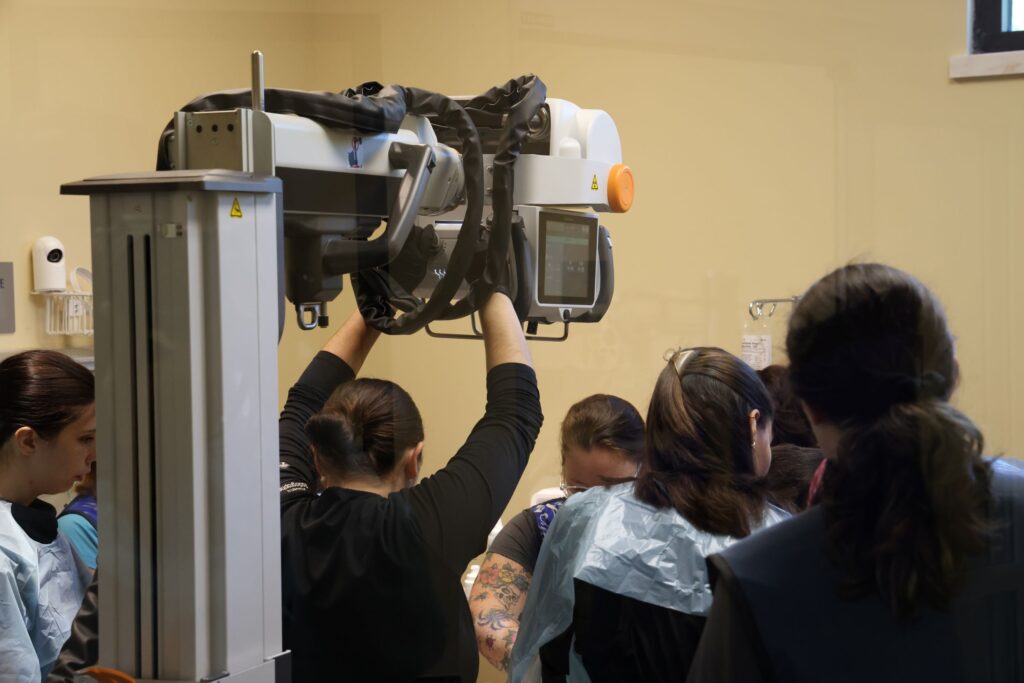
The simulation relies heavily on volunteers from clinical partners to bring the simulation to life. Nursing faculty, practicing radiographers, and program graduates served as trauma team members, facilitators, and mentors.
Joe Catlett, a clinical faculty member in the Department of Clinical Science at Georgia Southern University and radiographer at MHUMC, volunteered to help with the simulation. After graduation, radiology students work at different facilities, mainly Level 1 trauma centers. Helping students become familiar with this type of scenario before they go is important, Catlett said.
MHUMC radiographers, like Catlett, have been an important part of the simulation since it was started several years ago, Spurlock said.
“Their firsthand knowledge of Level 1 trauma imaging gives our students the opportunity to learn from professionals who understand the demands of the environment and helps us bridge the gap between classroom learning and clinical practice,” Spurlock said. “We make sure that we tell the students who has shown up for them, and it stands out how many MHUMC radiographers are there each year.”
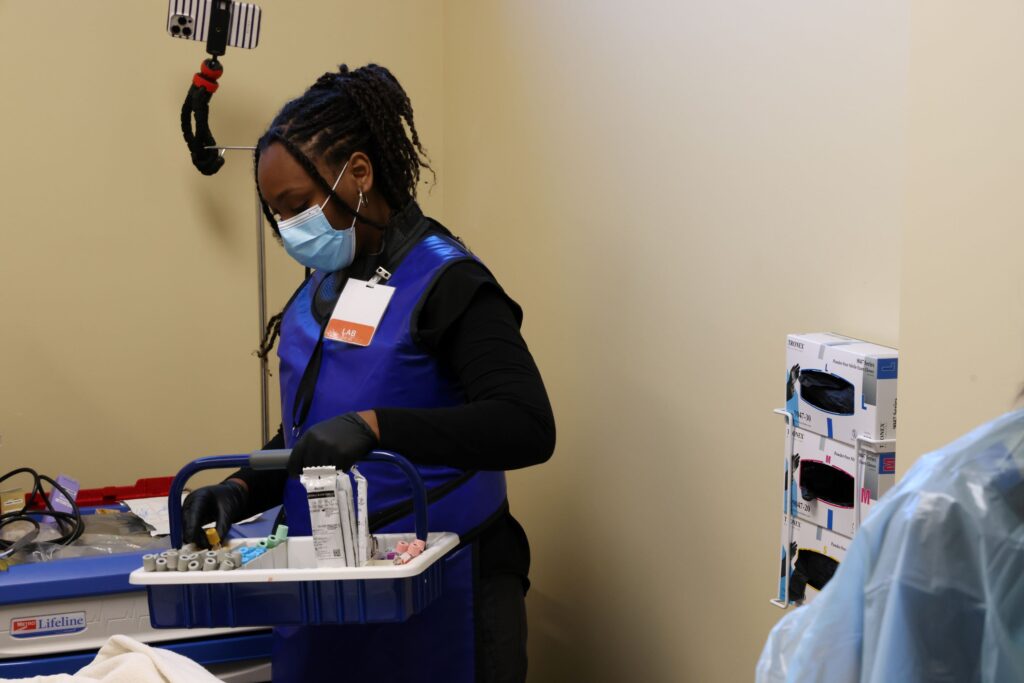
One of the simulation volunteers was Danita Dasher, a graduate of the program’s December 2025 class. Dasher is a radiographer at Memorial Health Dwaine and Cynthia Willett Children’s Hospital in Savannah. She loves working with the children there. Dasher volunteered for the simulation because she wanted to give back to the program that’s meant so much to her.
“It’s a full-circle moment because this was me last year. Being on the other side of it is really cool and interesting to see,” Dasher said. “I just love this program so much. The faculty helped me a lot during it, so I just want to do my part and give back and volunteer to help the next class.”
The simulations were very beneficial to Dasher when she was a student.
“All the simulations that they do here, you will definitely see them at some point—either as a student or once you become a tech. It just makes you a lot more efficient when you find yourself in situations like these.”
Dasher is also working at the College part time as a clinical instructor assistant, helping to facilitate skills labs, simulations, and grading. Her future plans include being certified as an MRI technologist and continuing her education to earn a bachelor’s degree.
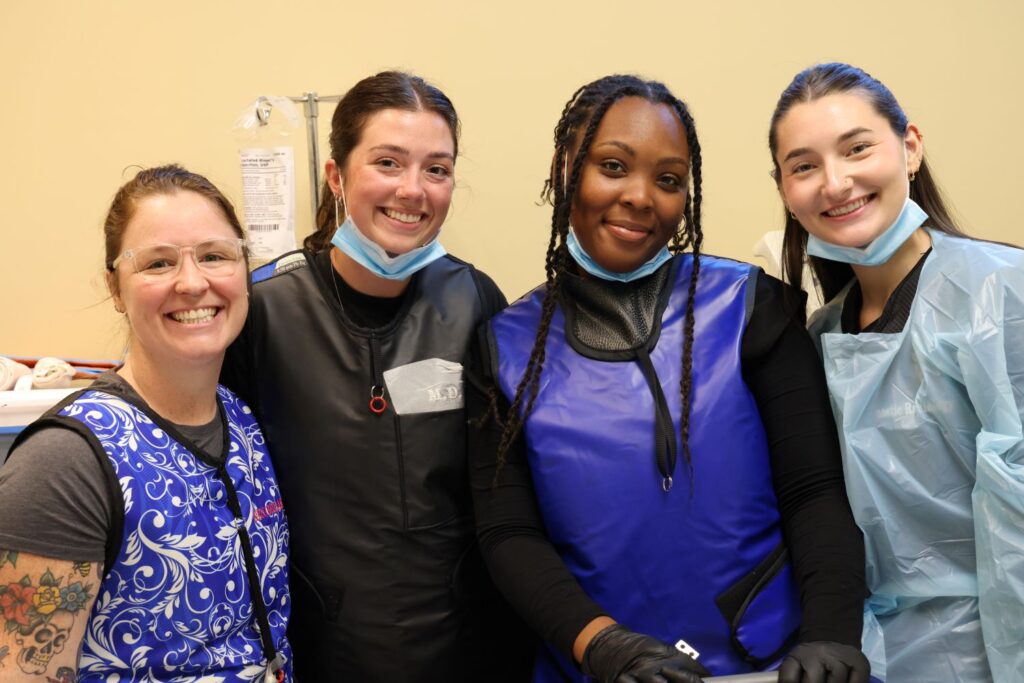
Other alumni participants in the simulation were Morgan Pillow ’25, Morghan Reeder ’24, and Karlee Shores ’25.
Following each scenario, the volunteers provide faculty with feedback focused on communication, clinical decision-making, technical performance, teamwork, and safety. Faculty share this information with students during the debrief and remediate skills as necessary.
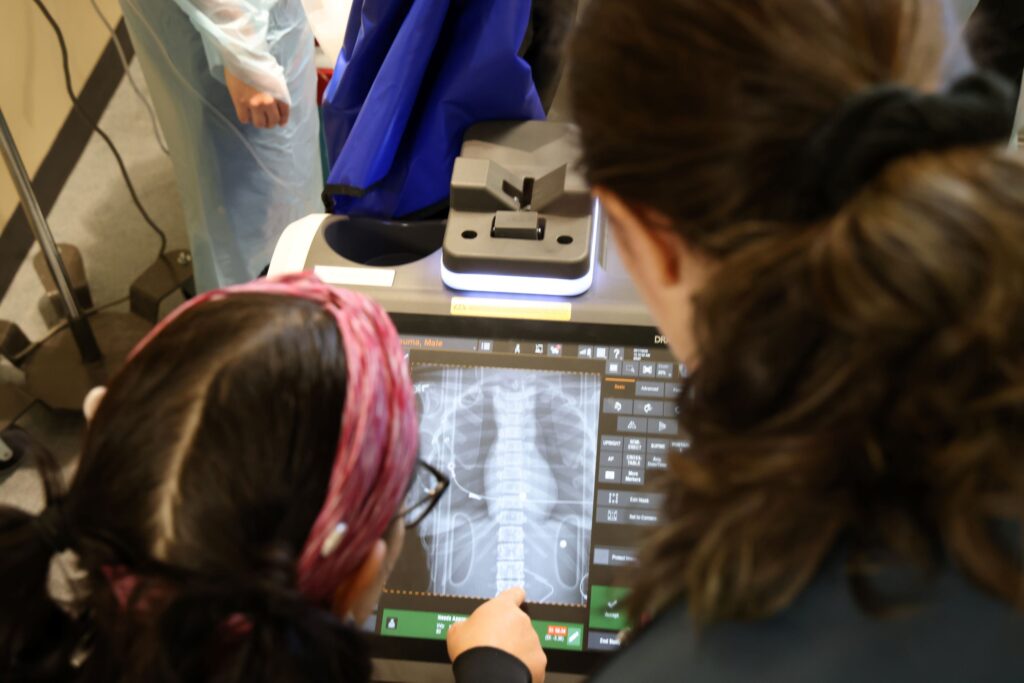
Sharing Knowledge
Two special guests from Dalton State College also attended the simulations: Clinical Coordinator of Radiologic Technology Holly Miller and Simulation Lab Coordinator Shanon Windom.
Miller is currently pursuing a doctorate with a focus on faculty adoption of simulation. She came across Spurlock’s profile on LinkedIn and saw that she was doing work with simulations. They met via Zoom and Spurlock invited her to attend and participate in the trauma simulation. Miller and Windom were both excited by the invitation.
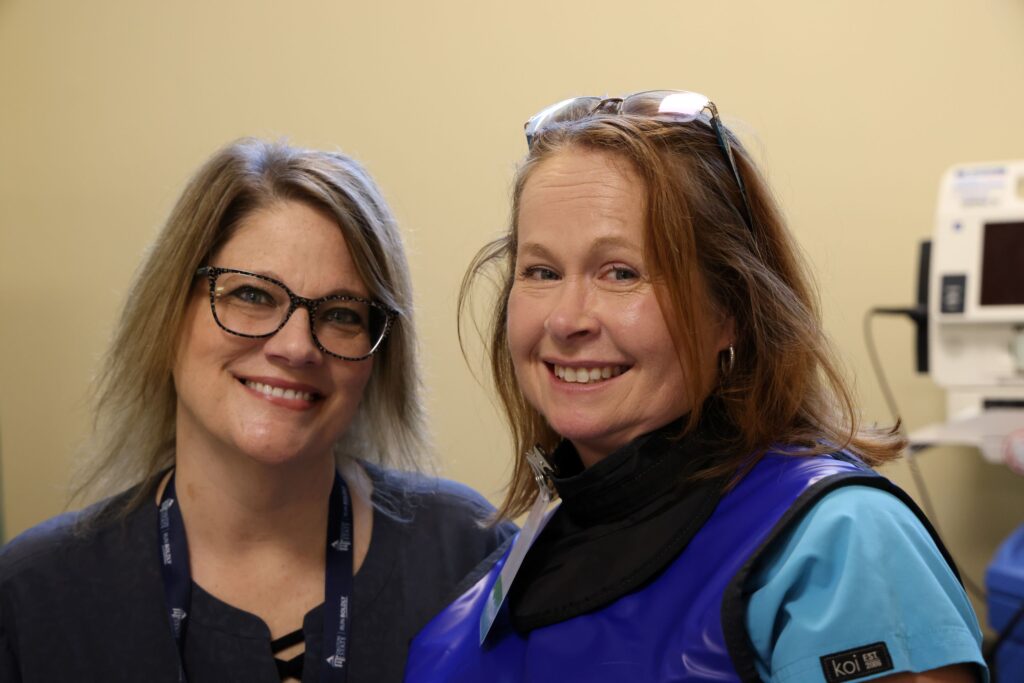
Clinical Coordinator of Radiologic Technology Holly Miller and Simulation Lab Coordinator Shanon Windom
“I’m all about bettering the profession. If we can collaborate with other schools in the University System of Georgia and network, then I think it’s great,” Miller said. “I think it’s great that they opened their arms up for us and I just really appreciate it.”
Windom was right in her element during the simulation. As a respiratory specialist, she jumped right in performing the manual ventilation technique, also known as bagging a patient, and intubation.
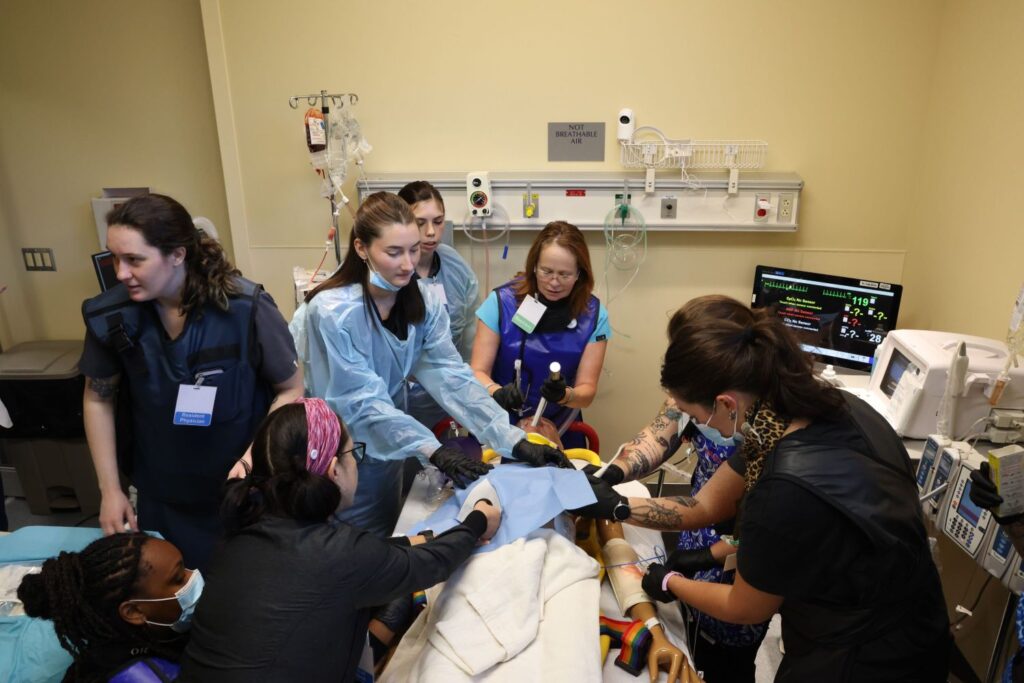
Miller and Windom talked about being able to look at the simulations from different perspectives and figuring out what they can do back at Dalton State for their students. They especially liked how community members, faculty, and graduates of the program played active roles in the simulation.
“I love that students from the program are back and acting in roles of other medical professions,” Windom said. “I also like the chaos of this because that’s real. I want to see that in ours.”
“It’s all about loving what you do and I love to see my students succeed. I want to give them every possible opportunity that they have,” Miller said. “I’m excited about what I can bring back to my students.”
A New Era for Learning
The trauma simulation took place in the Simulation Center located in the new addition to Nunnally Hall. The renovation project allowed for the creation of more learning spaces and an expansion to the Simulation Center. The Simulation Center now features an intensive care unit, a realistic nursing station, a labor and delivery room with a dedicated infant care area, a medical-surgical room, and an operating room. This gives the School of Nursing and Health Sciences more flexibility for instruction and skills-building.
Over the summer, the Simulation Center earned the International Nursing Association for Clinical Simulation and Learning (INACSL) Healthcare Simulation Standards Endorsement™. The College is the first public institution in Georgia to receive the endorsement for both nursing and radiologic science programs. The recognition acknowledges excellence in health care simulation practices.
INACSL is recognized globally as a leader in advancing the science and practice of healthcare simulation. According to Dr. Nevada LeCounte, simulation specialist and associate professor of nursing, the endorsement process requires a rigorous review by a committee of healthcare simulation experts. The review evaluates the program’s policies and procedures, faculty development, simulation activities, and learner support.
“Receiving INACSL endorsement reflects the Simulation Center’s commitment to providing high quality, evidence-based simulation experiences that prepare nursing and radiologic science students for the complexities of modern healthcare,” LeCounte said. “This recognition validates our efforts to strengthen student readiness for practice, promote patientsafety, and support the healthcare needs of Coastal Georgia and beyond.”
For Spurlock, the simulation represents more than a learning exercise. It reflects the College’s commitment to preparing graduates for real-world challenges through collaboration, innovation, and experiential learning. Opportunities like the trauma simulation help bridge the gap between classroom instruction and clinical practice. Through the support of faculty, alumni, health care professionals, and community volunteers, College of Coastal Georgia students gain hands-on experience that builds confidence, sharpens critical-thinking skills, and prepares them to provide quality patient care from their first day on the job.