Psychological Science

The Psychological Science concentration at Coastal provides students with engaged learning experiences, both inside and outside the classroom.
Why study Psychological Science at Coastal Georgia?
Psychological Science compliments our other two concentrations while offering students the flexibility to follow their interests into a variety of areas such as cognition, health psychology, social and personality, as well as applied areas such as clinical, counseling, and organizational behavior. Creativity is nurtured along with research, writing, and general problem-solving skills.
Students have opportunities to engage in hands-on service learning, research, and internships with local agencies and community partners. Our students also have opportunities to collaborate with program faculty and other students to design, conduct, and present research at regional and national conferences. This concentration provides students with a strong foundation for graduate study, as well as for entry into the workforce.
What will I learn?
This concentration will provide students with a rigorous program of study in the science of psychology, including the theory, research, and quantitative methods of both basic and applied psychology.
What can I do when I graduate?
Career areas include:
- Applied Psychology
- Child Psychology
- Cognitive Neuroscience
- Clinical Psychology
- Counseling Psychology
- Social Psychology
- Biopsychology
- Experimental Psychology
- Forensic Psychology
- Health Psychology
- Any business/organizational setting where data-driven problem-solving skills are an asset.
-
Dr. Brian Pope
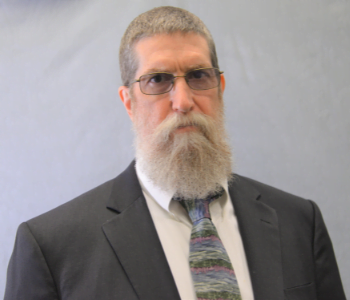 Professor of Psychology
Education
Ph.D. (Biopsychology), University of Georgia
M.A. (General-Experimental Psychology), College of William and Mary
B.A. (Psychology), DePauw UniversityTeaching and Research Interests / Recent Publications or Scholarly Output
My scholarship is primarily focused on teaching students to do psychological research by having them develop measures of psychological attitudes and/or present visual or audio-visual stimuli and recording participant responses. Research projects are developed in the Research Methods course in the spring semester and further refined in a Supervised Research course the following fall. Students learn to develop measurement scales, perform statistical analyses, and prepare a summary of the research for presentation at a professional meeting (typically the Southeastern Psychological Association).The following research collaborations with students were presented at the Southeastern Psychological Association meeting in Atlanta in 2025 –
Pope, J.B., & Cordell, E. (2025, April). Musical correlates of ASMR response. Poster presented at the Southeastern Psychological Association
Convention, Atlanta, GA.Pope, J.B., Fromhagen, C., DeJesus, P., Bray, I., & Royal, G. (2025, April). Attitude toward generative AI use in higher education settings. Poster presented at the Southeastern Psychological Association Convention, Atlanta, GA.
Pope, J.B., & Wegman, B. (2025, April). Measurement of giving and receiving phone snubs. Poster presented at the Southeastern Psychological Association Convention, Atlanta, GA.
Pope, J.B., & Stoerrle, A. (2025, April). Measurement of work-home attentional shifting. Poster presented at the Southeastern Psychological Association Convention, Atlanta, GA.